
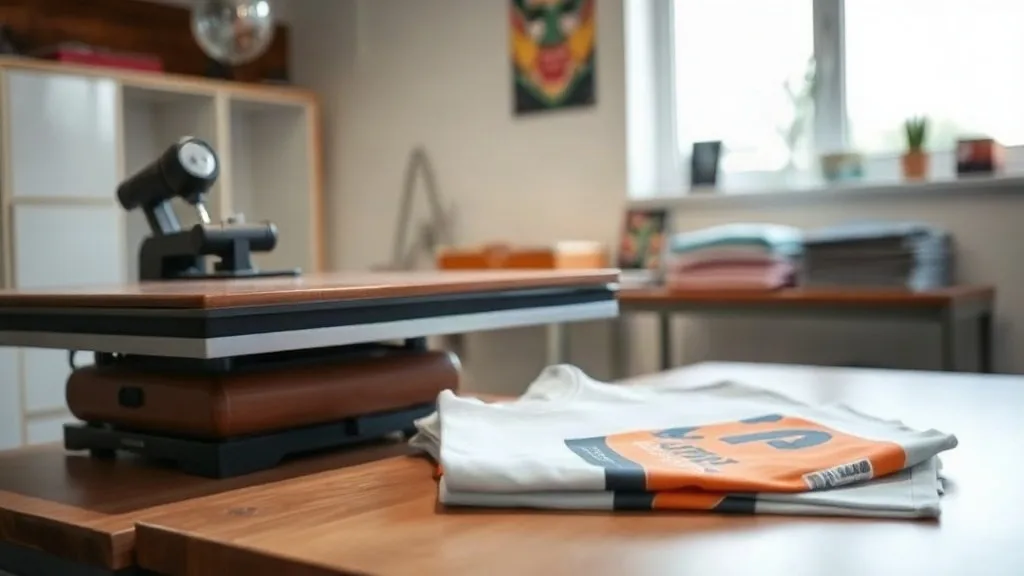
Walk into any print shop that runs DTF transfers and you'll hear the same conversation on repeat: the printer is dialed in, the film is fresh, the powder is flowing, yet the final product still looks off. Nine times out of ten, the culprit isn't the transfer itself. It's the blank underneath. The shirt you choose dictates how the print sits, how it feels, and how long it survives the wash. That's why serious printers have started paying as much attention to their blank supplier as they do to their DTF workflow. Two names that keep coming up in that conversation are smart blanks and shaka wear. Both have earned a reputation for consistency, and both solve problems that generic blanks create.
This guide isn't about hype. It's about the practical reasons why these blanks work well with DTF, what to look for when you're sourcing, and how to avoid the costly mistakes that come from treating every blank as interchangeable.
Why the Blank Matters More Than You Think
DTF transfers are forgiving in some ways and unforgiving in others. They bond to a wide range of fabrics, which is one of the technology's biggest selling points. But that doesn't mean every fabric behaves the same under heat and pressure. A cheap, loosely woven tee can cause the adhesive to strike through, leaving a stiff, shiny patch. A blank with heavy dye migration can bleed into a white underbase, turning a crisp design into a muddy mess after a few weeks.
Experienced printers learn to read a blank the way a carpenter reads wood grain. They check the hand feel, the stitch density, the weight, and the colorfastness before they ever load a platen. Smart blanks and shaka wear have become popular because they check those boxes consistently, batch after batch. When you're running dozens of orders a week, consistency isn't a luxury. It's the difference between a repeat customer and a refund request.
The Hidden Costs of Cheap Blanks
It's tempting to save a dollar per shirt by sourcing the cheapest option on the market. But that dollar rarely stays saved. Cheap blanks tend to have inconsistent sizing, which means your carefully sized DTF transfers don't sit where they should. They shrink unpredictably after the first wash, pulling the print out of alignment. They pill, fade, and lose shape, and suddenly the customer who loved their custom tee is leaving a one-star review about how it fell apart.
When you factor in reprints, customer service time, and lost referrals, the math flips fast. A slightly higher upfront cost for a reliable blank is almost always the cheaper path in the long run.
What Makes Smart Blanks a Smart Choice
Smart blanks have built a following among DTF printers for a few specific reasons. First, the fabric is tightly knit and smooth, which gives the transfer a clean surface to bond to. That translates to sharper edges, better detail retention, and a softer hand feel compared to rougher, looser fabrics.
Second, the color consistency is strong. If you're printing a run of 50 tees in heather grey, you need those 50 tees to match. Mismatched shades make a professional order look amateur, and they're a pain to explain to a client. Smart blanks hold their color well across batches, which removes a lot of guesswork.
Third, they're available in a range of weights and fits that suit different applications. Whether you're printing a lightweight retail-style tee or a heavier streetwear cut, there's a smart blanks option that fits the bill without forcing you to compromise on print quality.
Best Use Cases for Smart Blanks
- Retail-style tees where a soft hand feel is a priority
- High-volume orders that require consistent sizing and color
- Designs with fine detail or small text that demand a smooth surface
- Brands that want a clean, modern look without heavy fabric texture
Shaka Wear: Built for Streetwear and Heavy Use
If smart blanks are the versatile workhorse, shaka wear is the heavyweight champion. Shaka Wear has deep roots in streetwear and workwear, and their blanks reflect that heritage. The fabrics are denser, the cuts are boxier, and the overall feel is substantial. For DTF printing, that weight is a real advantage. Heavier fabrics tend to handle heat and pressure better, which means less risk of scorching or adhesive strike-through.
Shaka Wear tees also have a reputation for durability. They hold up to repeated washing without losing shape or color, which matters enormously when your customers are wearing them hard. The brand's following in skate, street, and workwear circles means your finished product carries a certain credibility before anyone even looks at the print.
For printers, the practical benefit is predictability. Shaka Wear blanks are cut consistently, so your placement guides and transfer sizes stay reliable. The fabric surface is smooth enough for detailed DTF work, and the weight gives the print a solid foundation.
Best Use Cases for Shaka Wear
- Streetwear and skate-inspired designs that call for a heavier tee
- Workwear and promotional apparel that needs to survive daily wear
- Oversized or boxy fits where structure matters
- Prints that need to stay crisp through dozens of wash cycles
How to Match Your DTF Settings to Your Blank
Even the best blank can produce a bad result if your press settings are off. Here's a practical starting point for dialing in your DTF workflow with smart blanks and shaka wear.
- Pre-press the shirt. A quick 5 to 10 second press removes moisture and wrinkles, giving the transfer a clean surface to bond to. This step is especially important with heavier fabrics like Shaka Wear, which can hold more moisture.
- Adjust pressure for fabric weight. Lighter smart blanks generally need medium pressure, while heavier shaka wear tees may need a bit more to ensure even adhesion. Too much pressure can flatten the print; too little leaves edges lifting.
- Watch your temperature. Most DTF transfers apply in the 300 to 325°F range, but heavier fabrics can handle the higher end while lighter fabrics may need a slightly lower setting to avoid scorching.
- Peel with intention. Whether you're doing a hot peel or cold peel depends on your transfer film, but the key is consistency. Peel at the same angle and speed every time, and check the edges before you walk away.
- Post-press for durability. A final press with a cover sheet locks the print in and improves wash fastness. This is especially valuable on shaka wear blanks that will see heavy use.
It's worth running a small test batch whenever you switch blanks. What works on one fabric may need a small tweak on another, and a five-minute test saves a lot of reprints.
Building a Blank Strategy That Scales
Most print shops start with one or two blank suppliers and expand as they grow. The smart approach is to build a small, reliable roster rather than chasing every new option that appears. A practical strategy looks like this: keep a versatile everyday blank like smart blanks for the bulk of your orders, and a heavier option like shaka wear for premium or streetwear-focused jobs. That gives you coverage across most customer requests without turning your inventory into a maze.
It also helps to track which blanks perform best with your specific DTF setup. Keep notes on press settings, wash test results, and customer feedback. Over time, you'll build a playbook that lets you quote jobs confidently and deliver consistent quality, which is ultimately what keeps clients coming back.
Frequently Asked Questions
Are smart blanks suitable for DTF printing?
Yes. Smart blanks have a smooth, tightly knit surface that takes DTF transfers well, producing sharp detail and a soft hand feel. They're a popular choice for retail-style tees and high-volume orders where consistency matters.
Do Shaka Wear shirts work with DTF transfers?
They do. Shaka wear blanks are heavier and denser, which gives DTF prints a solid foundation and helps them hold up through repeated washing. Just adjust your press settings for the heavier fabric and run a test batch before a large order.
Which blank is better for streetwear designs?
For streetwear, shaka wear is often the better fit because of its heavier weight and boxier cuts. That said, smart blanks can work well for lighter streetwear styles. The right choice depends on the look and feel you're going for.
How do I prevent DTF prints from cracking on these blanks?
Cracking usually comes from incomplete adhesion or excessive stretching during pressing. Pre-press the shirt, use consistent pressure, and finish with a post-press under a cover sheet. Wash tests on your specific blanks will confirm whether your settings are dialed in.
Can I mix smart blanks and Shaka Wear in the same order?
Absolutely. Many shops use both in a single order to offer different fits and weights. Just be sure to label and separate the blanks during production so your press settings and transfer placements stay accurate for each fabric type.