
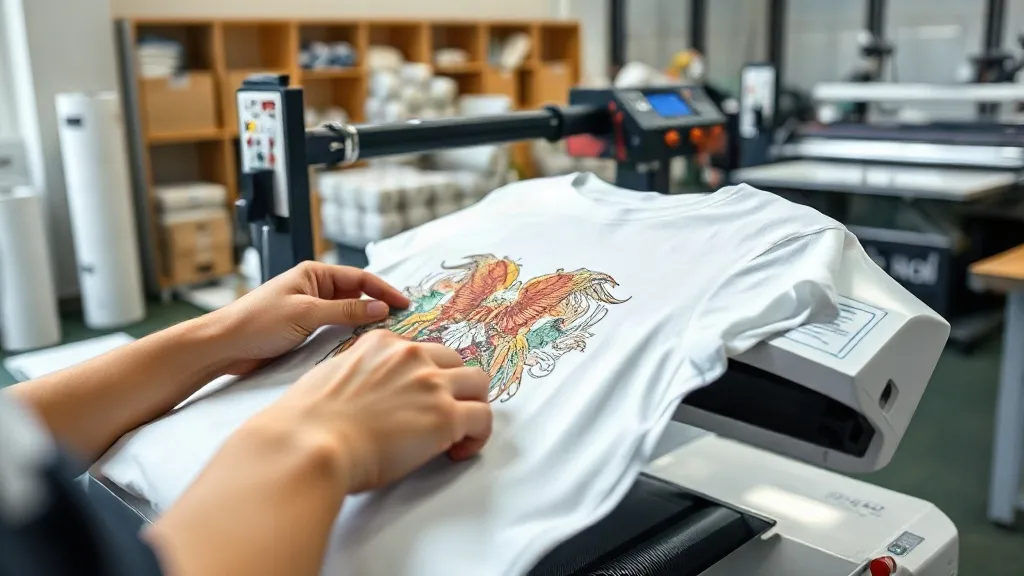
If you've been anywhere near the custom apparel scene lately, you've probably heard the buzz about dtf transfers. This printing technology has been making waves for its ability to produce vibrant, durable designs on a wide range of fabrics with impressive ease. Whether you're a small business owner looking to expand your product offerings, a hobbyist wanting to personalize your wardrobe, or simply curious about the latest in garment decoration, understanding DTF transfers can open up a world of creative possibilities. In this guide, we'll break down what DTF transfers are, how they work, and why they might just be the solution you've been searching for.
What Are DTF Transfers?
DTF stands for Direct to Film. It's a printing method where your design is printed onto a special film, then coated with a powder adhesive, and finally heat-pressed onto the fabric. Unlike DTG (Direct to Garment) printing, which requires the garment to be loaded into the printer, DTF transfers are printed separately and can be applied later using a heat press. This decoupling of printing and application makes DTF incredibly versatile and accessible, especially for those who don't want to invest in a dedicated printer.
The process involves printing a mirror image of your design onto a PET film using specialized DTF inks. While the ink is still wet, a thermoplastic powder is applied, which sticks to the ink. After shaking off the excess powder, the film is heated to melt the powder, creating a flexible, adhesive layer. The transfer is then ready to be applied to a substrate using a heat press. The result is a soft, stretchable print that bonds well to cotton, polyester, blends, and even some treated nylons.
Why DTF Transfers Are Gaining Popularity
There are several reasons why DTF transfers have become a go-to method for many in the apparel decoration industry. Let's explore some of the key advantages.
Versatility Across Fabrics
One of the biggest selling points of DTF transfers is their compatibility with a wide range of materials. While DTG printing works best on 100% cotton, DTF transfers adhere well to cotton, polyester, cotton-poly blends, and even some synthetic fabrics. This means you can decorate everything from classic t-shirts to performance wear, canvas bags, and more, without worrying about the fabric composition.
No Pre-Treatment Required
With DTG printing, garments often need to be pre-treated with a liquid solution to ensure the ink bonds properly. This adds an extra step and can affect the hand feel of the print. DTF transfers, on the other hand, do not require any pre-treatment. You simply heat press the transfer onto the fabric, saving time and reducing complexity.
Vibrant, Durable Prints
DTF transfers produce bright, opaque colors that stand out on both light and dark garments. The prints are also highly durable, with excellent wash fastness and resistance to cracking or fading. When applied correctly, a DTF transfer can last as long as the garment itself.
Cost-Effective for Small Runs
For small businesses or individuals who need short runs of custom apparel, DTF transfers are a cost-effective solution. There's no need for screens, plates, or minimum order quantities. You can print one-off designs or small batches without breaking the bank. This makes DTF ideal for personalized gifts, sample production, or limited-edition drops.
Easy to Store and Ship
Once printed, DTF transfers are lightweight and can be stored flat or rolled up. They don't take up much space and can be easily shipped to customers or other locations. This is particularly useful for print-on-demand businesses or those who want to offer transfers as a product themselves.
How to Apply DTF Transfers
Applying a DTF transfer is straightforward, but it does require a heat press. Here's a step-by-step guide to ensure a successful application.
- Preheat the fabric: Set your heat press to the recommended temperature (usually around 150-160°C or 300-320°F). Preheat the garment for a few seconds to remove moisture and wrinkles.
- Position the transfer: Place the DTF transfer on the fabric with the printed side facing up. The design should be facing you (not mirrored).
- Press: Cover the transfer with a protective sheet (like parchment paper or a Teflon sheet) and press with medium pressure for 10-15 seconds.
- Peel: Allow the transfer to cool completely before peeling off the film. Peeling while hot can cause the design to lift or distort. For a matte finish, you can do a second press with the protective sheet for a few seconds.
Always follow the specific instructions provided by your transfer supplier, as temperatures and times can vary.
DTF Transfers Near Me: Finding Quality Supplies
As DTF printing grows in popularity, more and more suppliers are offering DTF transfers and equipment. If you're searching for dtf transfers near me, you'll want to consider a few factors to ensure you get high-quality products. Look for suppliers with positive reviews, clear application instructions, and consistent color output. It's also a good idea to request samples before committing to a large order. Many suppliers offer sample packs so you can test the quality and compatibility with your fabrics.
When sourcing DTF transfers, pay attention to the ink and powder quality. Cheap supplies can lead to faded prints, poor adhesion, or excessive cracking. Investing in reputable brands will save you time and frustration in the long run.
Common Challenges and How to Overcome Them
While DTF transfers are relatively user-friendly, there are some common pitfalls to watch out for. Here are a few tips to help you avoid them.
- Insufficient pressure: If the transfer doesn't adhere properly, it may be due to uneven or insufficient pressure. Make sure your heat press is calibrated and apply firm, even pressure.
- Peeling too soon: Patience is key. Let the transfer cool completely before peeling. Rushing can ruin the design.
- Moisture in the fabric: Always preheat the garment to remove moisture. Moisture can cause the transfer to bubble or not bond correctly.
- Incorrect temperature: Too hot or too cold can affect adhesion and durability. Use a temperature gun to verify your press temperature.
By following best practices and using quality materials, you can achieve professional-looking results with DTF transfers.
DTF vs. Other Printing Methods
How does DTF stack up against other popular decoration methods like screen printing, DTG, and vinyl? Each has its strengths and weaknesses.
- Screen printing: Great for large orders and bold designs, but setup costs are high and it's not cost-effective for small runs. DTF is more flexible for small batches and full-color designs.
- DTG: Excellent for detailed, photographic prints on cotton, but requires pre-treatment and is limited to mostly cotton fabrics. DTF works on more fabrics and doesn't need pre-treatment.
- Vinyl: Ideal for simple text and shapes, but limited in color and complexity. DTF can handle complex, multi-color designs with ease.
Ultimately, the best method depends on your specific needs, but DTF offers a compelling combination of versatility, quality, and cost-effectiveness.
Getting Started with DTF Transfers
Ready to dive into the world of DTF transfers? Here's a quick checklist to get you started.
- Invest in a heat press: A quality heat press is essential for applying DTF transfers. Look for one with adjustable temperature and pressure settings.
- Source quality transfers: Find a reputable supplier that offers consistent, vibrant transfers. Consider starting with a sample pack.
- Practice: Before working on client orders, practice on scrap fabric to dial in your press settings.
- Market your services: If you're starting a business, spread the word about your new DTF capabilities. Offer samples to local businesses or showcase your work on social media.
With a bit of practice and the right supplies, you'll be creating stunning custom apparel in no time.
Frequently Asked Questions About DTF Transfers
What fabrics can I use with DTF transfers?
DTF transfers work on a wide range of fabrics, including cotton, polyester, cotton-poly blends, and some synthetic materials. They are not recommended for fabrics with special coatings or finishes that may prevent adhesion.
How long do DTF transfers last?
When applied correctly, DTF transfers are highly durable and can withstand many washes. The print should last as long as the garment itself, with proper care. Avoid ironing directly on the print and wash inside out in cold water.
Can I use DTF transfers on dark colors?
Yes, DTF transfers are opaque and show up vividly on both light and dark fabrics. The white ink layer in the transfer ensures the colors pop, even on black or navy garments.
Do I need a special printer for DTF transfers?
You can either invest in a DTF printer or purchase pre-printed transfers from a supplier. For beginners, buying transfers is often more cost-effective and requires less technical know-how.
What is the best temperature for pressing DTF transfers?
The ideal temperature varies by transfer supplier, but most recommend pressing at 150-160°C (300-320°F) for 10-15 seconds. Always follow the supplier's instructions for best results.
DTF transfers have revolutionized the way we think about custom apparel. With their versatility, durability, and ease of use, they offer a fantastic solution for businesses and hobbyists alike. Whether you're looking to expand your product line or simply create unique gifts, mastering DTF transfers can set you apart. So why not give it a try? With the right supplies and a little practice, you'll be on your way to stunning, professional-quality prints.