
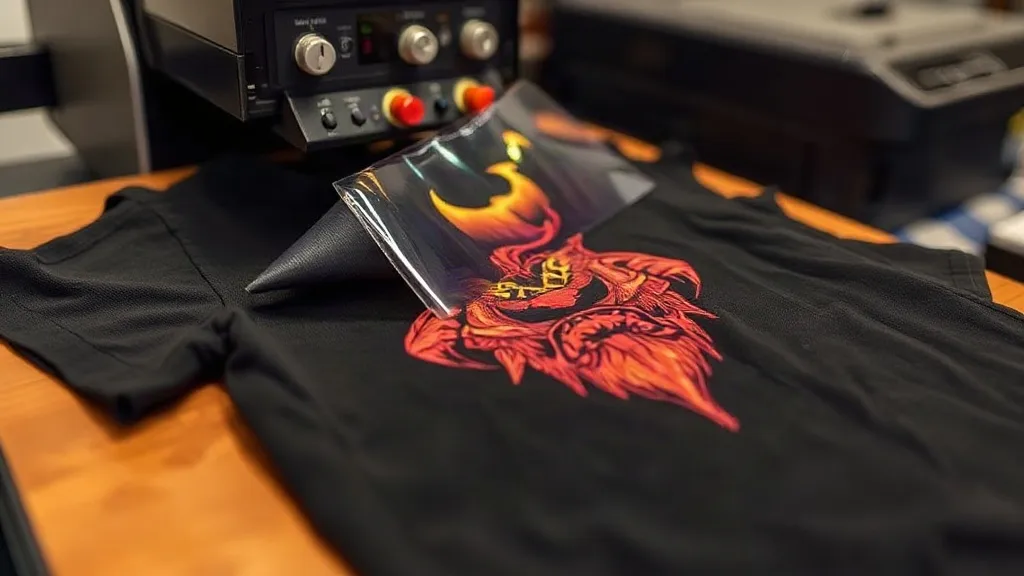
When you run a small apparel brand, every print counts. You need designs that pop, colors that stay vivid wash after wash, and a production process that doesn't eat into your margins. That's where dtf transfers come in. Unlike screen printing, which demands setup costs and minimum orders, DTF (Direct-to-Film) printing lets you produce full-color, detailed designs on demand, with no color limits and no wasted inventory. In this guide, I'll walk you through the DTF workflow from a print shop owner's perspective, share practical tips for choosing blanks and films, and explain why this technology is a game-changer for small businesses and print-on-demand sellers.
What Are DTF Transfers and Why They Matter
DTF transfers are printed on a special film, then coated with a heat-activated adhesive powder. When you apply heat and pressure, the design bonds permanently to the fabric. The result? Prints that are stretchable, crack-resistant, and incredibly detailed. For small shops, DTF eliminates the need for screens, platens, and color separations. You can print one-off designs or short runs without breaking the bank. And because the film is transparent, you can print on dark garments without a white underbase, saving time and material.
How DTF Compares to Other Printing Methods
Screen printing is cost-effective for large orders but expensive for small batches. Vinyl is durable but limited to simple shapes. DTG (Direct-to-Garment) prints directly onto fabric but struggles with dark colors and often requires pre-treatment. DTF sits in the sweet spot: it handles complex, full-color designs on any fabric color, with a soft hand feel and excellent durability. Plus, the equipment is far more affordable than a DTG printer.
The DTF Workflow: From Design to Finished Product
Getting started with dtf is straightforward. Here's the step-by-step process I use in my shop:
- Design preparation: Create your artwork in a vector or high-resolution raster format. Remember to mirror the image before printing, as the film is pressed face-down onto the garment.
- Printing: Load the DTF film into your printer. Most DTF printers use pigment inks and a white ink channel. Print the color layer first, then the white layer on top. This white layer acts as an underbase, making colors pop on dark fabrics.
- Powder application: While the ink is still wet, sprinkle the adhesive powder evenly over the film. Shake off excess and set it with a heat gun or in a curing oven until the powder melts and becomes glossy.
- Curing: Proper curing is crucial for wash durability. Use a heat press or conveyor dryer to cure the powder at the recommended temperature (usually around 160°C/320°F for 2-3 minutes).
- Pressing: Preheat your garment to remove moisture. Place the transfer film on the fabric, cover with a protective sheet, and press at 150-160°C for 10-15 seconds with medium pressure. Peel the film while hot or cold, depending on the film type.
Once you've mastered these steps, you can produce a shirt in under five minutes, start to finish.
Choosing the Right Blanks for DTF Printing
Not all blanks are created equal. The fabric composition, weight, and weave affect how the transfer adheres and how it feels. For best results, choose 100% cotton or cotton-poly blends. Heavier fabrics (like 180-200 GSM) provide a better surface for the transfer and tend to be more durable. Avoid heavily textured fabrics or those with a high synthetic content, as the transfer may not bond properly. I've had great success with Shaka Wear blanks; their consistent quality and wide color range make them a reliable choice for DTF printing.
Pre-Treatment Tips for Different Fabrics
While DTF doesn't require pre-treatment like DTG, a quick press before application helps remove wrinkles and moisture. For poly blends, lower the pressing temperature slightly to avoid scorching. Always test on a scrap piece first.
Maximizing Efficiency with Gang Sheets
If you're producing multiple designs or sizes, gang sheets are your best friend. A gang sheet is a large film (typically 22"x36" or larger) where you arrange multiple designs to maximize usage. This reduces waste and cuts down on film costs. Most DTF printers come with RIP software that helps you nest designs efficiently. Plan your layouts to fill the sheet completely, and consider the cut lines to make separating transfers easy.
Common Pitfalls and How to Avoid Them
Even experienced printers run into issues. Here are a few common problems and solutions:
- Peeling after wash: Usually caused by insufficient pressure, incorrect temperature, or under-cured powder. Invest in a quality heat press and follow the curing guidelines.
- Faded colors: Ensure your printer's ink levels are adequate and that you're using the correct color profile. Also, the white layer must be thick enough to support the colors.
- Film jams: Keep your printer clean and use high-quality film. Humidity can affect film handling, so store it in a dry place.
Why DTF Is a Smart Choice for Print-on-Demand
For print-on-demand businesses, DTF offers unmatched flexibility. You can print one shirt at a time, with no minimums, and still achieve professional results. This means you can offer a wide range of designs without holding inventory. Plus, the durability of DTF prints leads to higher customer satisfaction and fewer returns. As your business grows, you can scale up by adding more printers or upgrading to a faster model.
Frequently Asked Questions About DTF Transfers
How durable are DTF transfers?
When applied correctly, DTF transfers can withstand 50+ washes without cracking or fading. Proper curing and pressing are key to longevity.
Can I use DTF on any fabric?
DTF works best on cotton and cotton-poly blends. It can be used on polyester, but lower temperatures are needed to prevent scorching. Avoid nylon and waterproof fabrics.
Do I need a special printer for DTF?
Yes, you need a DTF printer that uses pigment inks and has a white ink channel. However, some converted inkjet printers can be used with DTF ink systems.
What's the difference between DTF and DTG?
DTG prints directly onto the garment, while DTF prints onto a film that is then transferred. DTF often produces more vibrant colors on dark fabrics and requires less pre-treatment.
How do I store DTF transfers?
Store unused transfers in a cool, dry place, away from direct sunlight. They can be kept for several months if properly sealed.
DTF transfers have leveled the playing field for small apparel brands. With a modest investment, you can produce high-quality, custom prints on demand, without the constraints of traditional printing methods. Whether you're just starting out or looking to expand, DTF is a technology worth mastering.